Could the job be done without heat, or somewhere else?Choose one
Bolting, cold-applied membranes, cutting off site or pre-fabrication. Hot work on site should be the last choice.
- CheckDo it that way. Hot work on site should be the last choice.
Shown when “Could the job be done without heat, or somewhere else?” is “Yes”
Why, and what is being done instead?Short answer
Shown only when the answers above make it relevant
Combustible materials moved away from the work, or covered with fire-resistant sheetsChoose one
Timber, insulation, packaging, waste and stored materials. Record the distance your site rule asks for.
Why, and what is being done instead?Short answer
Shown only when the answers above make it relevant
Floor and surfaces swept clean of dust, shavings and debrisChoose one
Why, and what is being done instead?Short answer
Shown only when the answers above make it relevant
The other side of walls, the floor below, ducts, voids and cavities checked for combustiblesChoose one
Why, and what is being done instead?Short answer
Shown only when the answers above make it relevant
Gaps, openings and drains covered so sparks and slag cannot fall throughChoose one
Why, and what is being done instead?Short answer
Shown only when the answers above make it relevant
Flammable liquids and gas cylinders not in use removed from the areaChoose one
Why, and what is being done instead?Short answer
Shown only when the answers above make it relevant
Fire exits and escape routes clear, and the alarm can be raisedChoose one
Why, and what is being done instead?Short answer
Shown only when the answers above make it relevant
Ventilation adequate for fumes and heatChoose one
Why, and what is being done instead?Short answer
Shown only when the answers above make it relevant
Nearby occupants and other trades told of the work and the watchChoose one
Why, and what is being done instead?Short answer
Shown only when the answers above make it relevant
Fire-resistant clothing, eye and face protection and gloves availableChoose one
Why, and what is being done instead?Short answer
Shown only when the answers above make it relevant
Do any smoke or heat detectors, or the sprinkler system, need isolating for the work?Yes or No
Which, who has been told, and when they will be put backShort answer
Shown when “Do any smoke or heat detectors, or the sprinkler system, need isolating for the work?” is Yes
- CheckIsolating detection removes the early warning. Keep the isolation to the smallest area and the shortest time, tell the person responsible for fire safety, and put it back as part of the hand-back on page 5.
Shown when “Do any smoke or heat detectors, or the sprinkler system, need isolating for the work?” is Yes
Fire extinguishers at the work area*Number
Types of extinguisher at the work areaTick all that apply
- WarningNo extinguisher at the work area. The permit should not be issued until suitable extinguishers are in place.
Shown only when the answers above make it relevant
Gas cylinders upright and secured, hoses and regulators checked, flashback arrestors fitted?Yes or No
Shown only when the answers above make it relevant
- WarningFix the gas equipment before the permit is issued.
Shown when “Gas cylinders upright and secured, hoses and regulators checked, flashback arrestors fitted?” is No
Is the wind and weather suitable for torch work on the roof?Yes or No
Shown when “Type of hot work” includes “Torch-on roofing”
- WarningWait for the weather. Wind carries sparks and flame to the edge and into the gutters.
Shown when “Is the wind and weather suitable for torch work on the roof?” is No
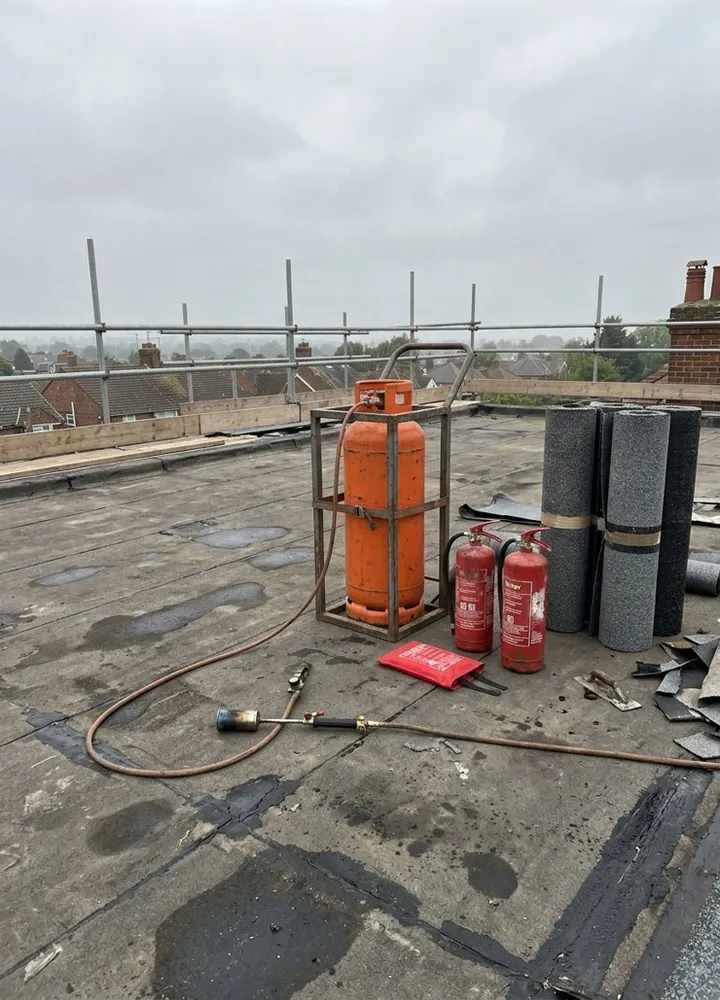
Photos of the work area before the work startsPhotos
Show the cleared area, the extinguishers and anything covered.
Precautions not yet confirmedWorked out by the form
- GuidanceEvery precaution is confirmed or recorded as not applicable.
Shown only when the answers above make it relevant
- CheckResolve the precautions counted above, or record why they do not apply, before the permit is issued.
Shown only when the answers above make it relevant