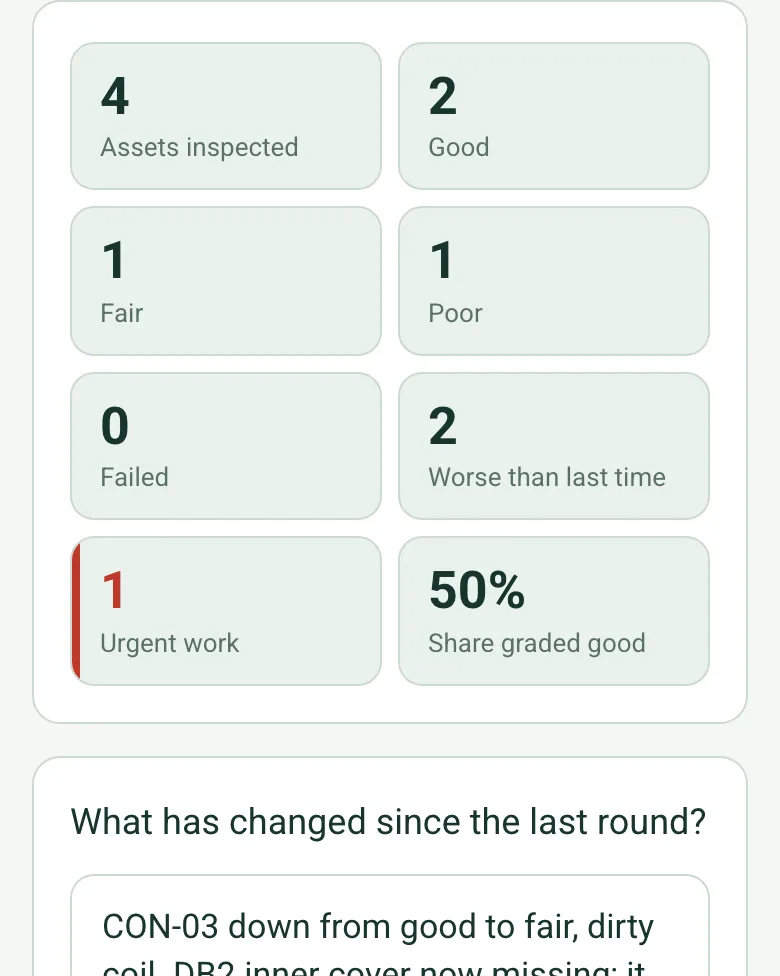
Round summary counted for you
The summary counts itself from the asset records: assets inspected, good, fair, poor and failed, worse than at the last round and needing urgent work, with the share graded good.
How calculated fields work →Form library · Facilities and maintenance
An inspection round form for building plant such as condensers, distribution boards and booster sets. Record each asset by its tag, mark where it is with GPS, grade its condition against the last round and photograph defects. The form counts the assets by grade, those worse than last time and those needing urgent work, works out the share graded good, F gas leak check intervals and pressure vessel checks, then the days to the next round. Try the form below, see every question or open a completed example.
Ready to use from the form library, and every question is yours to edit. Trial from £1, cancel any time.
Try it on your phone
Try it on this phone
Fill in the equipment inspection on your phone now
See how the equipment inspection looks on your phone
Scan the code with your phone camera. It opens the real form, no sign-up needed.
Open the live example and fill it in, just as your team would on site. No sign-up needed.
See it on this phoneEvery question is editable. Add this form to your account, then change the wording, add or remove questions and options, and make it fit your own jobs.
An equipment inspection checklist should identify each asset by its tag and location, record its condition against the last inspection, and describe any defect with photos and a priority. It should say whether a failed item was taken out of use or made safe, why the inspection was done, the readings taken, when the next inspection is due and who signed it.
Last updated . Facts checked by the SiteSurvey team on 20 October 2026 against regulation 6 of the Provision and Use of Work Equipment Regulations 1998 (inspection), GOV.UK on checking F gas equipment for leaks, regulation 8 of the Pressure Systems Safety Regulations 2000 (written scheme of examination) and Schedule 1 to the Pressure Systems Safety Regulations 2000 (250 bar litres exception).
Record each asset by its tag, mark where it is with GPS and grade its condition against the last round. The form counts the assets by grade, those worse than last time and those needing urgent work, and works out the share graded good.
The summary counts itself from the asset records: assets inspected, good, fair, poor and failed, worse than at the last round and needing urgent work, with the share graded good.
How calculated fields work →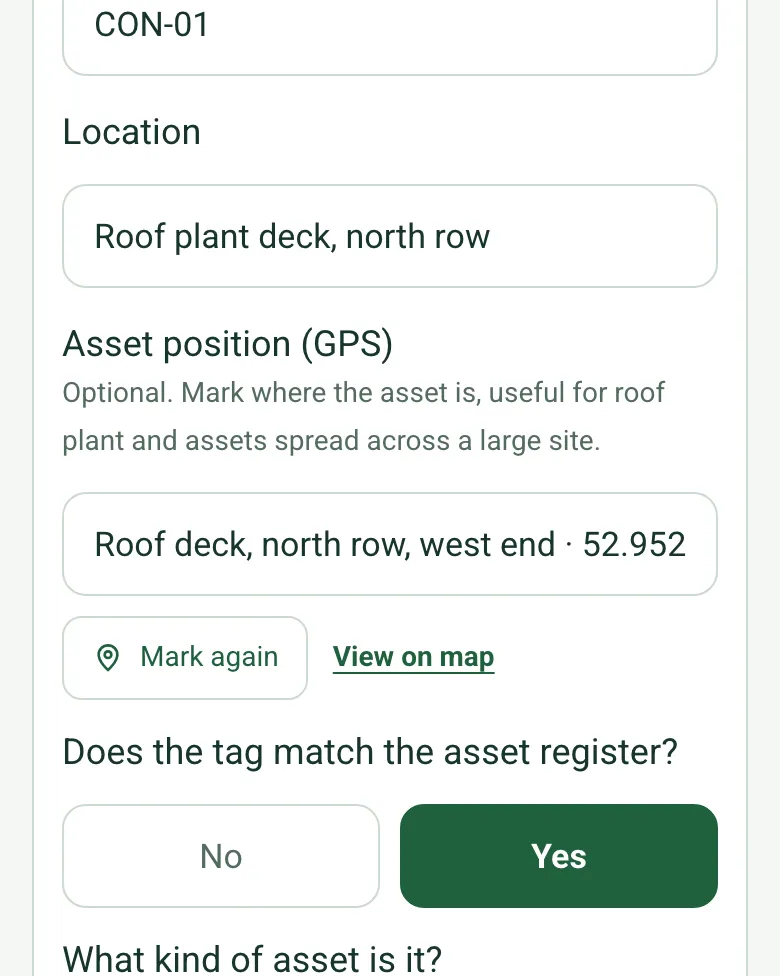
Mark each asset with GPS, useful for roof plant and assets spread across a large site. Indoors the fix is rough, so the location text stays.
How GPS location works →Record the round with Walk Cam and a spoken note at each point, alongside the asset records.
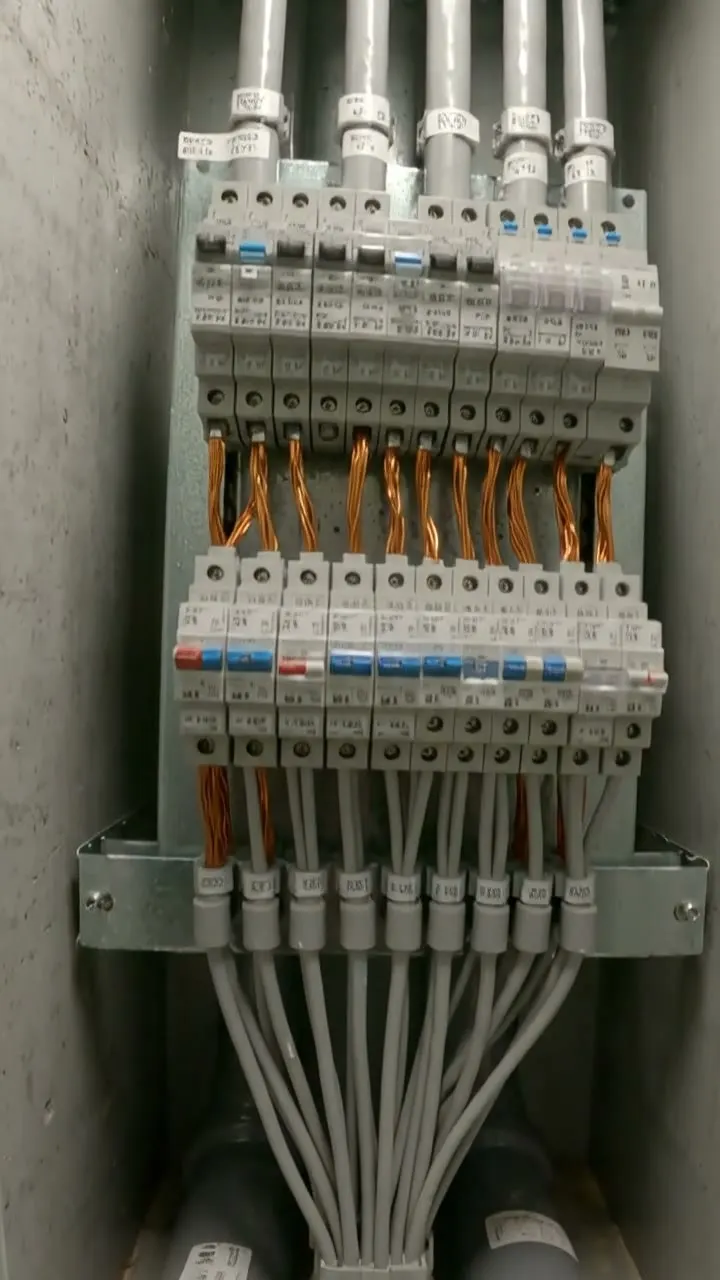
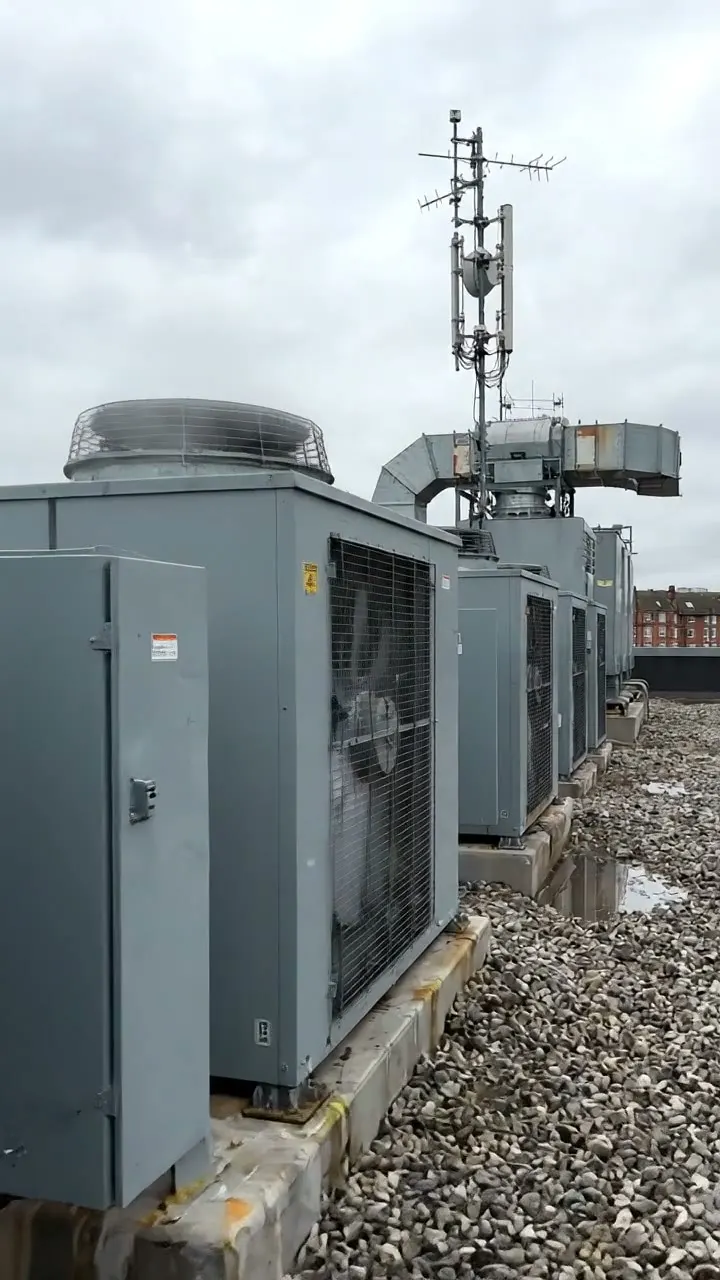
A fictional business centre: two roof condensers (one now fair with a dirty coil), a riser board with its inner cover missing graded poor and urgent, and a booster set within its set pressure range. Two assets are worse than at the June round.
Answer a few questions and watch it adapt. Your answers are not saved, and any photos you add are deleted within the hour.
This is the real form as your team would use it: questions appear as you answer, scores work themselves out and you can add photos and signatures. No sign-up needed. Or open a completed example to see every answer, photo and score filled in.
Want to see one filled in? See a completed equipment inspection report (PDF), made by SiteSurvey from a fictional site visit.
Your team completes the asset inspection on site in the SiteSurvey app on iPhone, iPad and Android phones and tablets. The project name and address fill in for them, it works without signal, and it syncs when the device is back online with photos kept against the question they answer.
Customers and subcontractors do not need the app: send them a link and they can fill it in from any browser.
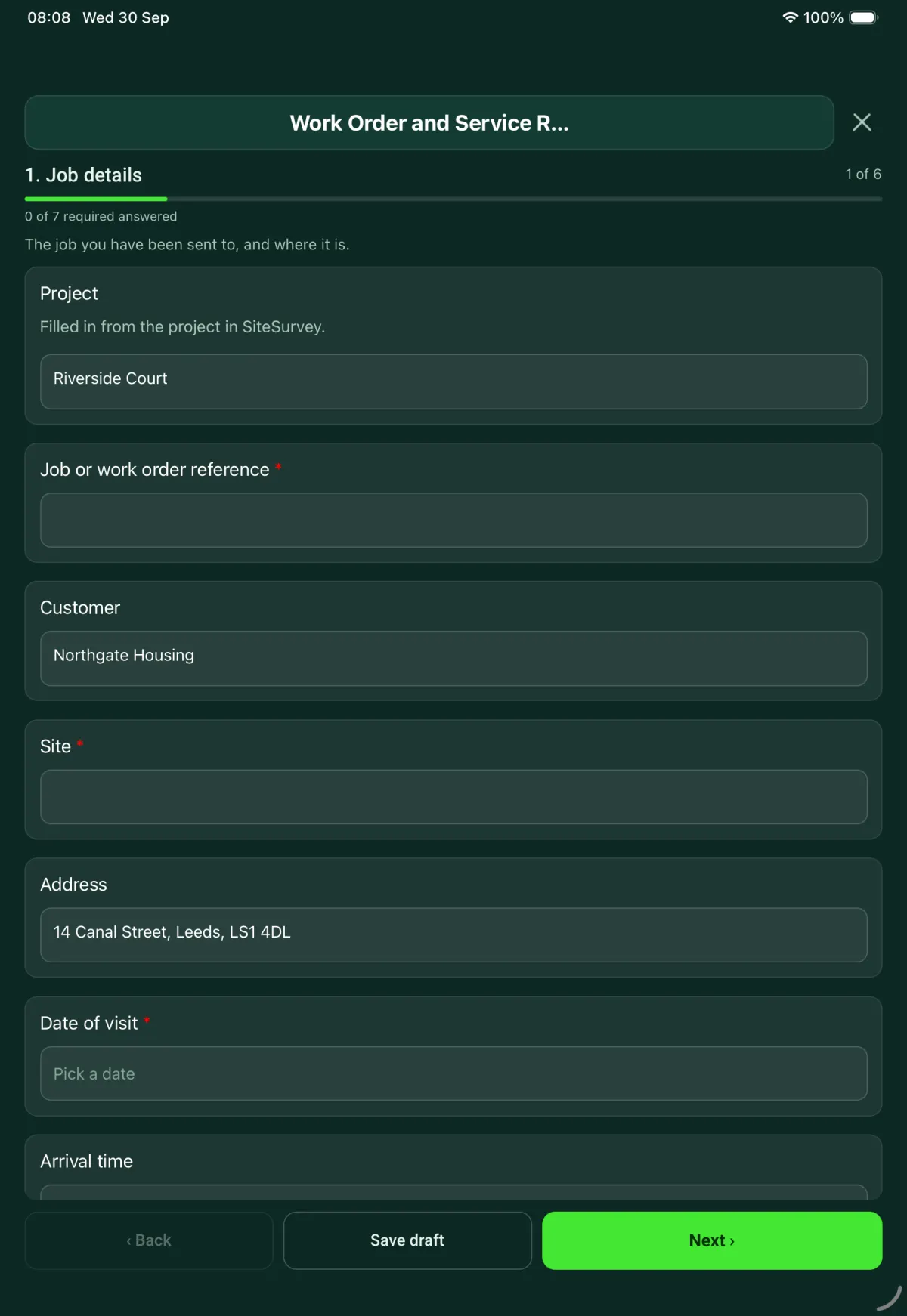
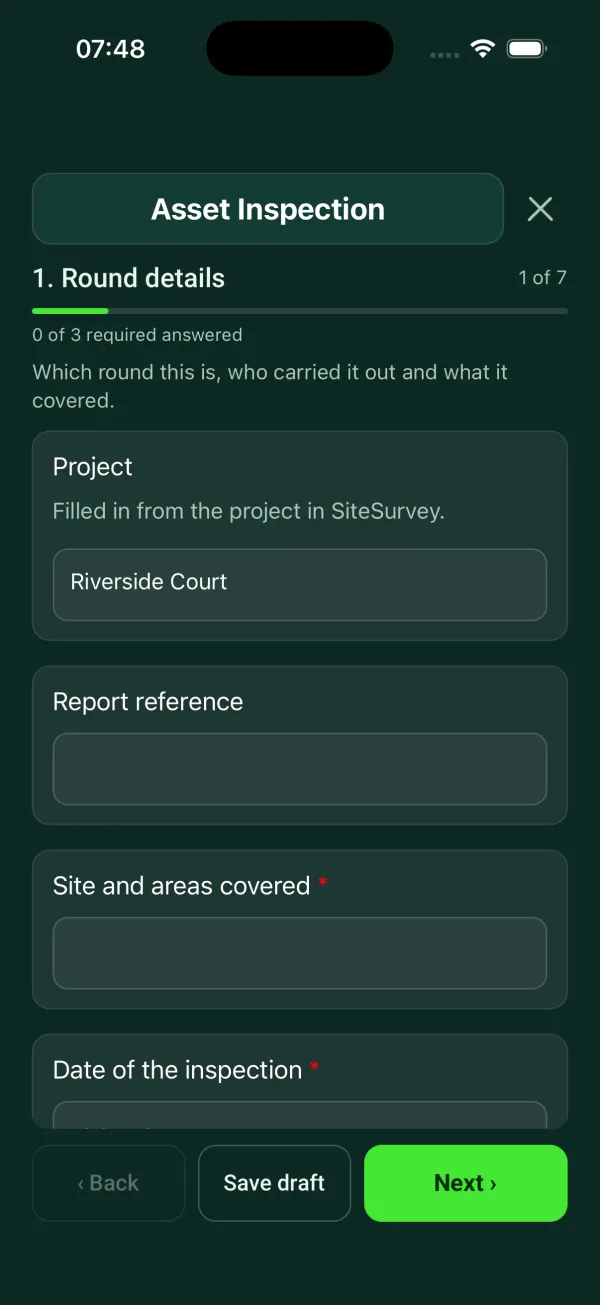
Inspection round for plant: asset condition, refrigerant and leak checks, pressure vessels, next due dates. 7 sections and 107 questions. Follow-up questions and guidance appear only when an answer calls for them, so the person on site never sees the ones that do not apply.
This is a starting point, not a fixed form. Once it is in your SiteSurvey account you can reword any question, add or remove questions, sections and answer options, and add your own logo, so it fits the way your team works and the jobs you do.
Add this form to a project in SiteSurvey and it fills in what the project already knows, so nobody on site retypes it and every form on the job uses the same names. Anything filled in can still be changed.
Which round this is, who carried it out and what it covered.
Filled in from the project in SiteSurvey.
Optional. Film a guided walk-through on the SiteSurvey app; each clip keeps its spoken note.
One entry for each asset. Find the asset by its tag, then record what you see.
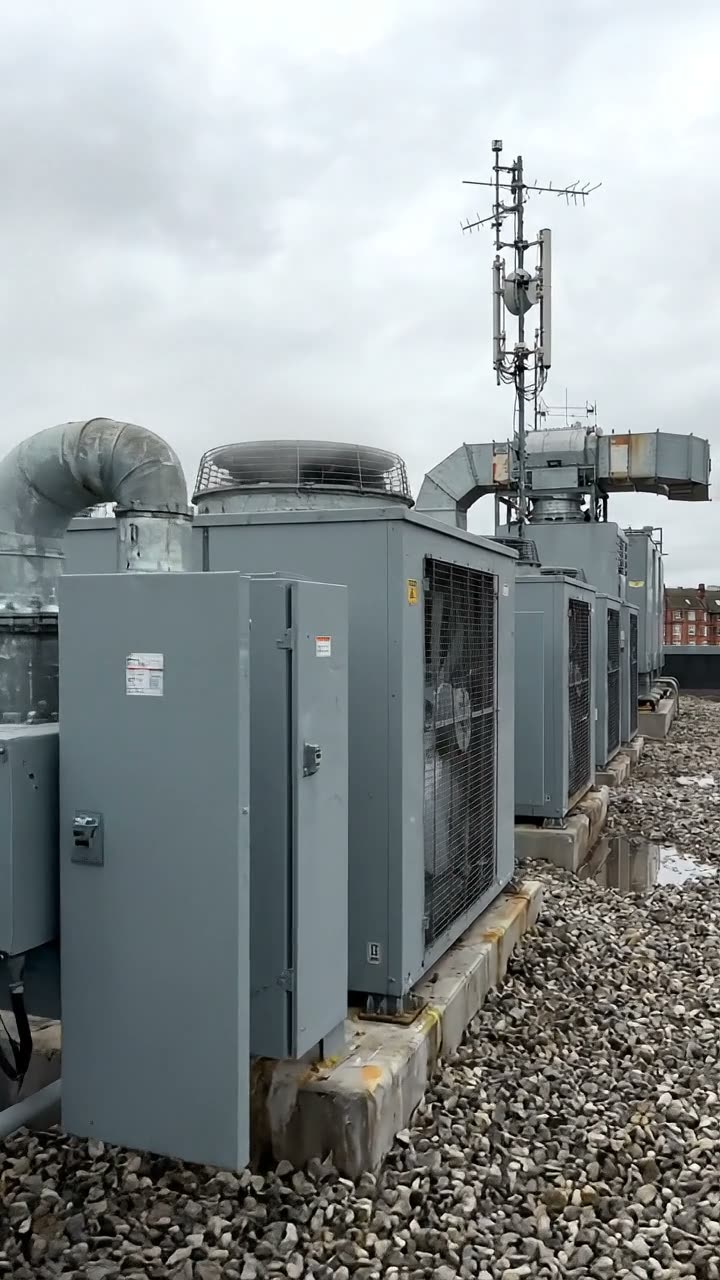
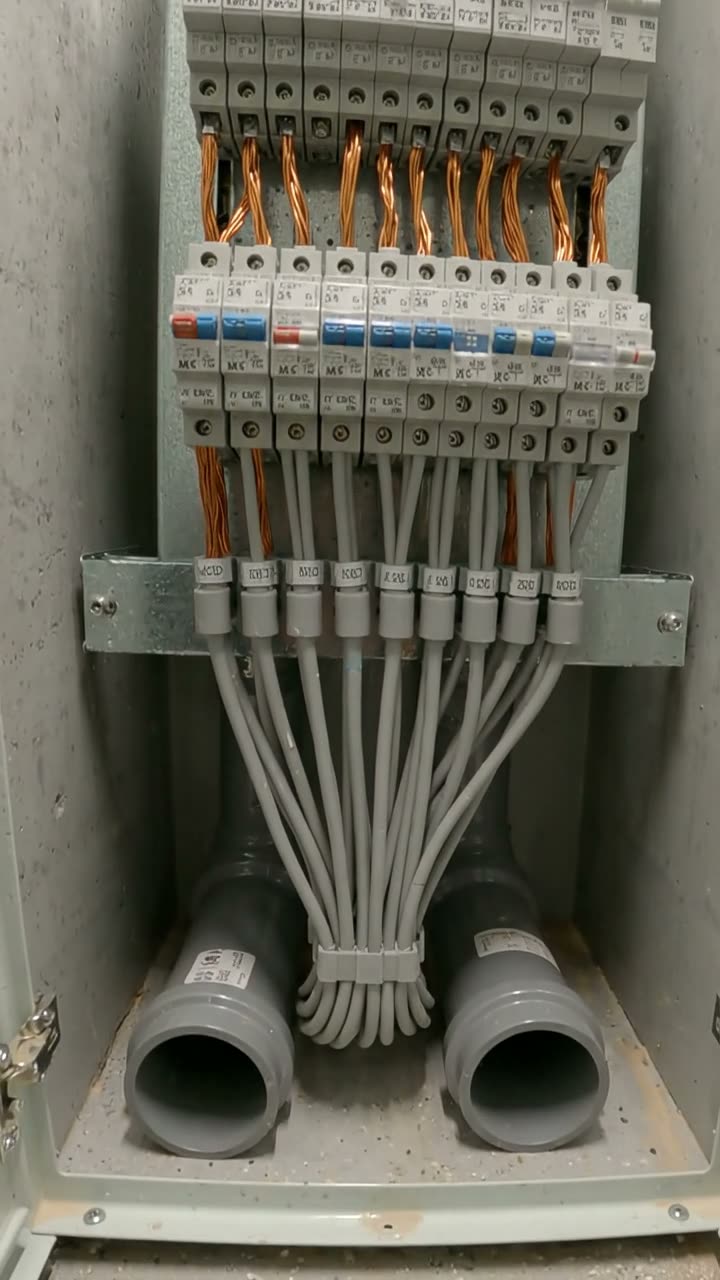
For example Roof plant area or Basement switch room
Optional. Mark where the asset is, useful for roof plant and assets spread across a large site.
For equipment that holds F gas. Take the gas and the charge from the label on the unit.
Asset tag of the equipment that holds this refrigerant. F gas records are kept for each piece of equipment.
For sets with a pressure vessel, such as a booster set. Take the figures from the data plate.
Count the assets by condition.
When the assets are due again and where the record goes.
A completed equipment inspection report, made by SiteSurvey from a fictional site visit: every answer, the photos, the guidance that applied and the sign-off, ready to send as a PDF.
Where the safety of work equipment depends on how it is installed, it must be inspected before it is first put into service and after it is put together in a new place. It must also be inspected each time something has happened that could have put its safety at risk. The form asks why the round is being done and shows the matching guidance.
Enter the charge in kilograms and the global warming potential from the unit's label, and the form works out the carbon dioxide equivalent in tonnes. Under 5 tonnes, no leak checks are required. From 5 to under 50 tonnes they are due at least every 12 months, from 50 to under 500 at least every 6 months, and from 500 tonnes at least every 3 months. A fitted leak detection system doubles each interval, and equipment of 500 tonnes or more must have one. A unit labelled as hermetically sealed and under 10 tonnes is exempt.
The operator must have the leak repaired without undue delay, and a certified person must check the repair within one month. Leak checks on this equipment are work for a certified person. The operator must keep the F gas records, including the dates and results of leak checks, for at least 5 years.
Yes. Enter the vessel's volume and pressure from the data plate and the form multiplies them. At 250 bar litres or more, a vessel holding compressed air or gas at more than 0.5 bar needs a written scheme of examination before the system is operated, so the form asks whether one is in place. This inspection is not an examination under that scheme.
Where the law requires work equipment to be inspected, the result must be recorded and kept until the next inspection is recorded. HSE guidance says records of electrical maintenance are not a legal requirement, but recommends keeping them. The form records the next due date and who the report goes to.
The form comes with condensers, distribution boards and booster sets, each with its own checks and readings. It is in the SiteSurvey form library and can be edited, so you can add the asset types on your own round. Photos, conditional questions and the signature carry through to the PDF report.
Related templates
Add it from the form library in one click, change any question, and every completed form becomes a branded PDF report.
Start your trial →